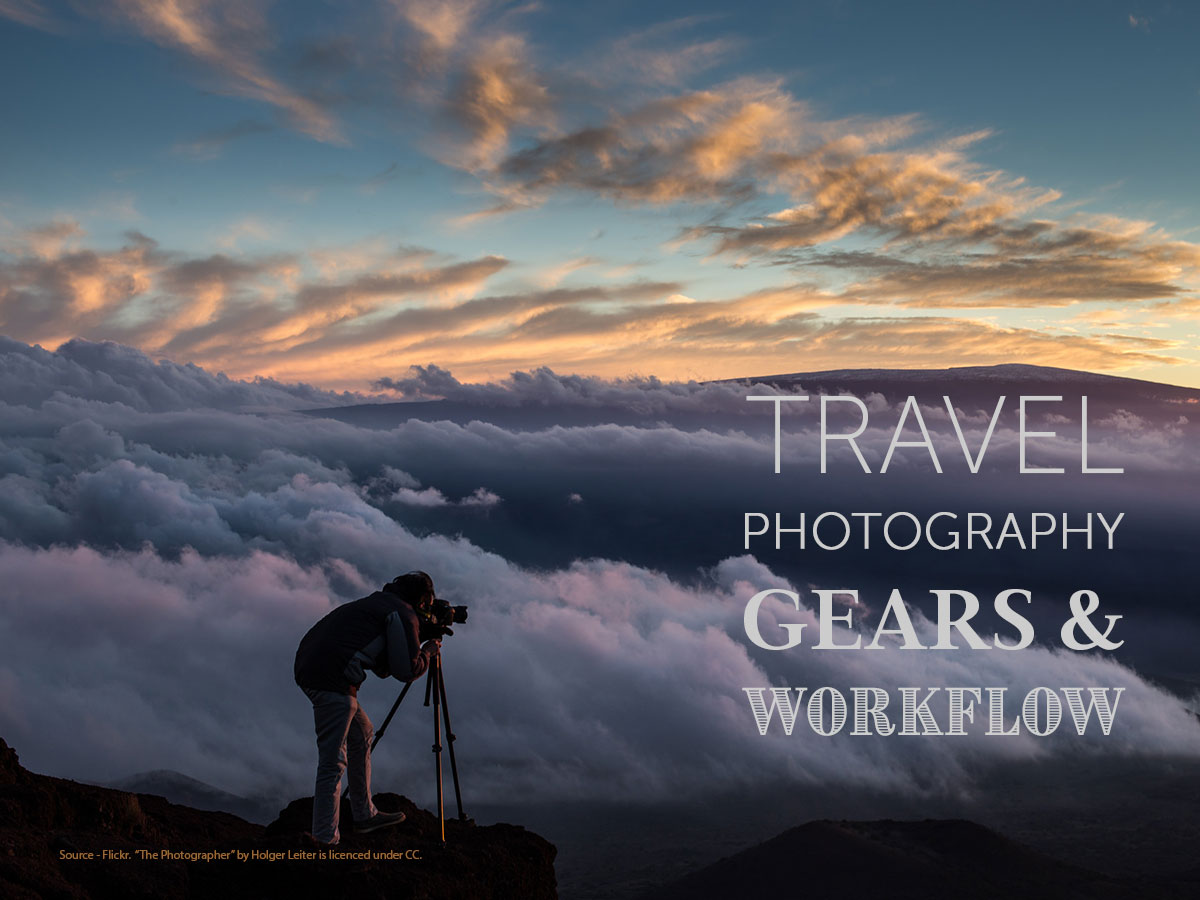
Travel photography combines the thrill of adventure with the art of storytelling. Whether you’re capturing vibrant cityscapes, serene landscapes, or spontaneous street scenes, having the right gear and a reliable workflow can make the difference between missed moments and memorable masterpieces. This article walks you through the essential considerations for selecting your gear and creating a streamlined workflow for travel photography.
1. Define Your Photography Goals
Before investing in gear or building a workflow, clarify your photography objectives:
- Are you a landscape, street, wildlife, or architectural photographer?
- Do you plan to publish on social media, sell prints, or blog about your travels?
- Will you shoot photos, videos, or both?
Your goals will dictate your equipment choices, image quality requirements, and post-processing needs.
2. Choosing the Right Camera
A. DSLR vs. Mirrorless
- Mirrorless Cameras are compact and lightweight, ideal for travel. They offer fast autofocus, silent shooting, and excellent image quality.
- DSLRs are durable and have longer battery life but are bulkier.
Popular Travel-Friendly Mirrorless Cameras:
- Sony Alpha a6400 / a7C
- Fujifilm X-T30 II
- Canon EOS R50 / R8
- Nikon Z fc / Z5
B. Sensor Size Matters
- Full-frame sensors provide better low-light performance and dynamic range but come at the cost of heavier gear.
- APS-C and Micro Four Thirds sensors are lighter and still deliver excellent quality for most travel photography needs.
3. Lens Selection: Quality Over Quantity
When traveling, you want versatile lenses that cover a range of scenarios without weighing you down.
Recommended Travel Lens Kit:
- Wide-angle (16-35mm) for landscapes and architecture.
- Standard zoom (24-70mm) for general travel photography.
- Telephoto (70-200mm or 55-210mm) for wildlife and distant subjects.
- Prime lens (35mm or 50mm f/1.8) for low-light and street photography.
Tip: If weight is a concern, a high-quality all-in-one zoom (e.g., 18-135mm or 24-105mm) may be a good compromise.
4. Essential Accessories
A. Tripod
Look for a lightweight, compact travel tripod (e.g., Peak Design, Manfrotto Befree). Necessary for long exposure, night, and landscape shots.
B. Filters
- Polarizing filters reduce reflections and deepen sky tones.
- ND filters are essential for waterfall or motion blur photography in daylight.
C. Extra Batteries & Charger
Mirrorless cameras often require more frequent charging. Always carry 2-3 extra batteries and a travel charger.
D. Memory Cards
- Use high-speed UHS-I or UHS-II SD cards (64GB to 256GB).
- Carry at least two cards per shoot day to avoid running out of space.
- Consider rugged or waterproof memory cards.
E. Camera Bag
Choose a bag that is:
- Weather-resistant
- Well-padded
- Easy to access
Options include sling bags, daypacks, and belt pouches depending on your shooting style.
5. Backup and Storage
Travel often means uncertain conditions. A solid backup strategy ensures your images are safe.
A. On-the-Go Backup Options
- Laptop + External HDD/SSD: Daily transfers and backups.
- Wireless Backup Devices: Devices like GNARBOX or WD My Passport Wireless Pro can backup without a laptop.
- Cloud Storage: If internet is available, consider uploading RAW/JPEGs to Google Drive, Dropbox, or Lightroom cloud.
B. File Organization
Create folders by date or location, and name files consistently (e.g., 2025-07-25_Japan_Tokyo001.RAW).
6. Editing Workflow for Travel Photography
A. Software Tools
- Lightroom: Best for batch editing, organizing, and syncing across devices.
- Photoshop: For more advanced retouching and composites.
- Capture One or Luminar: Great alternatives depending on your style and budget.
B. Mobile Workflow
If you’re editing on the go:
- Use Lightroom Mobile for quick edits and posting to social media.
- Shoot in RAW + JPEG to have editable files ready without needing a full PC setup.
C. Presets & Styles
Using or creating your own presets saves time and helps maintain a consistent look. Ideal when working under tight time constraints while traveling.
7. Sharing and Showcasing
A. Social Media
- Use Instagram, Facebook, or Threads to share photos.
- Schedule posts using tools like Later or Buffer.
- Tag locations and use relevant hashtags to increase visibility.
B. Blogging or Vlogging
A dedicated travel photography blog or YouTube channel allows you to tell deeper stories and grow your audience.
C. Online Portfolios
Platforms like Squarespace, SmugMug, or Zenfolio let you create professional portfolios to attract clients or collaborators.
8. Safety and Travel Considerations
A. Insurance
- Insure your camera gear against theft, loss, or damage.
- Some travel insurance plans include gear coverage.
B. Security
- Use anti-theft backpacks (e.g., Pacsafe or Peak Design).
- Avoid flashing expensive gear in risky areas.
- Register your equipment and use apps like Lenstag for tracking.
C. Travel Adaptors and Power Banks
Carry a universal travel adaptor and a reliable power bank (10,000–20,000mAh) to keep your devices charged.
9. Travel Photography Tips for Better Results
- Scout locations using Google Earth, Instagram geotags, or apps like PhotoPills.
- Shoot early morning or golden hour for better light and fewer crowds.
- Be respectful of local customs, and always ask permission when photographing people.
- Keep your gear clean – carry a microfiber cloth and air blower.
10. Build a Lightweight, Smart Workflow
Here’s a sample daily workflow for a travel photographer:
- Shoot all day in RAW + JPEG.
- Evening: transfer images to external SSD.
- Backup to a second drive or cloud.
- Cull and rate images using Lightroom or Photo Mechanic.
- Edit your selects, export to JPEG, and share on social or blog.
- Charge batteries and clear SD cards for the next day.
Selecting the right gear and establishing an efficient workflow are crucial for succeeding in travel photography. Keep your setup simple, lightweight, and adaptable. Focus on telling stories through your images rather than obsessing over owning the most expensive gear. With a thoughtful approach and a reliable system in place, you’ll be ready to capture stunning photos no matter where your adventures take you.
Whether you’re a hobbyist chronicling your vacation or a professional building a portfolio, the right tools and strategy will help you make the most of every shot.